Bondha Char
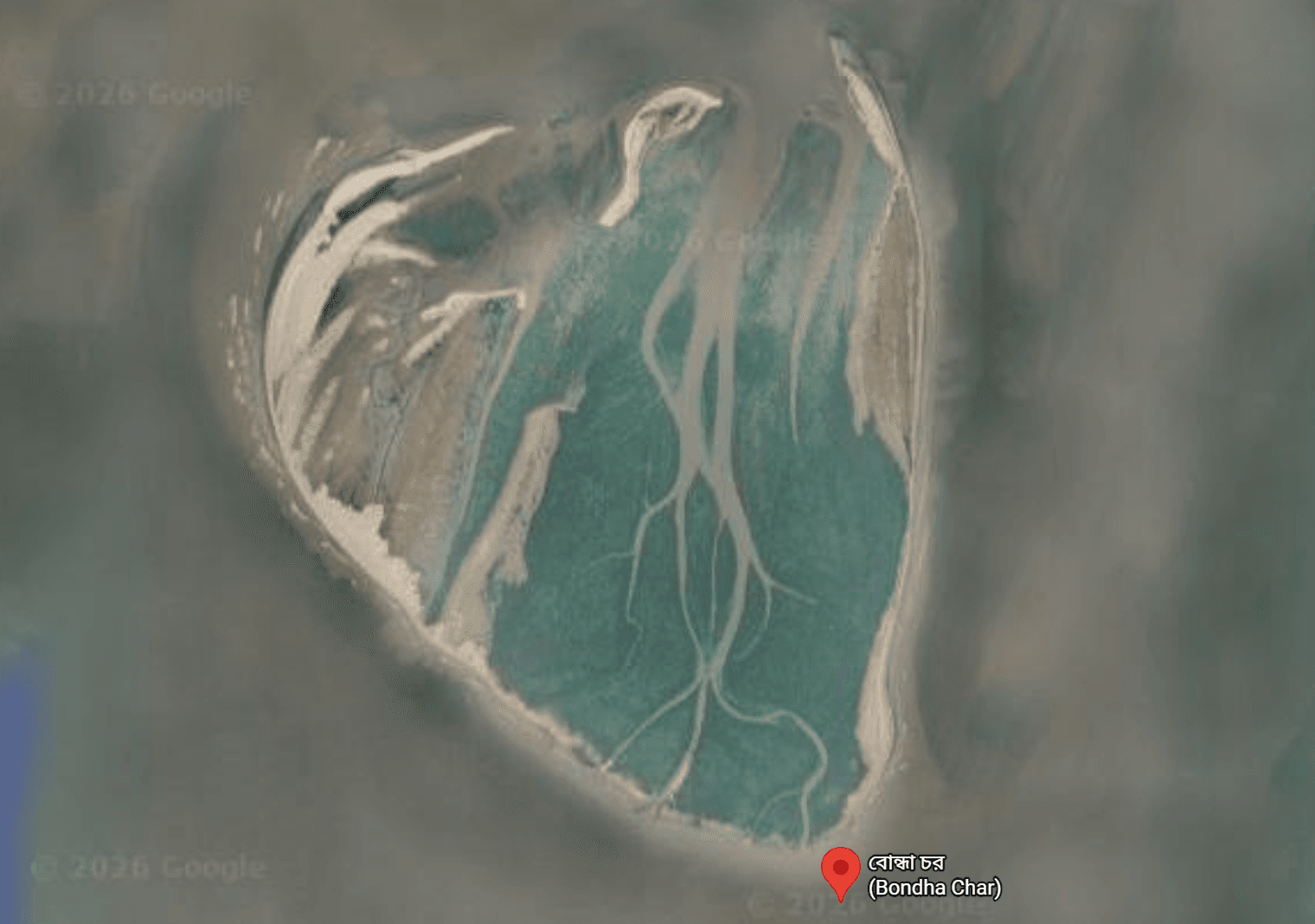
বোন্ধা চরA remote, windswept estuarine sandbar in the southern Sundarbans where shifting deltaic channels and open mudflats meet the untamed waters of the lower Bay of Bengal.
Experiences at this Stop
About Bondha Char
Overview & Deltaic Formation
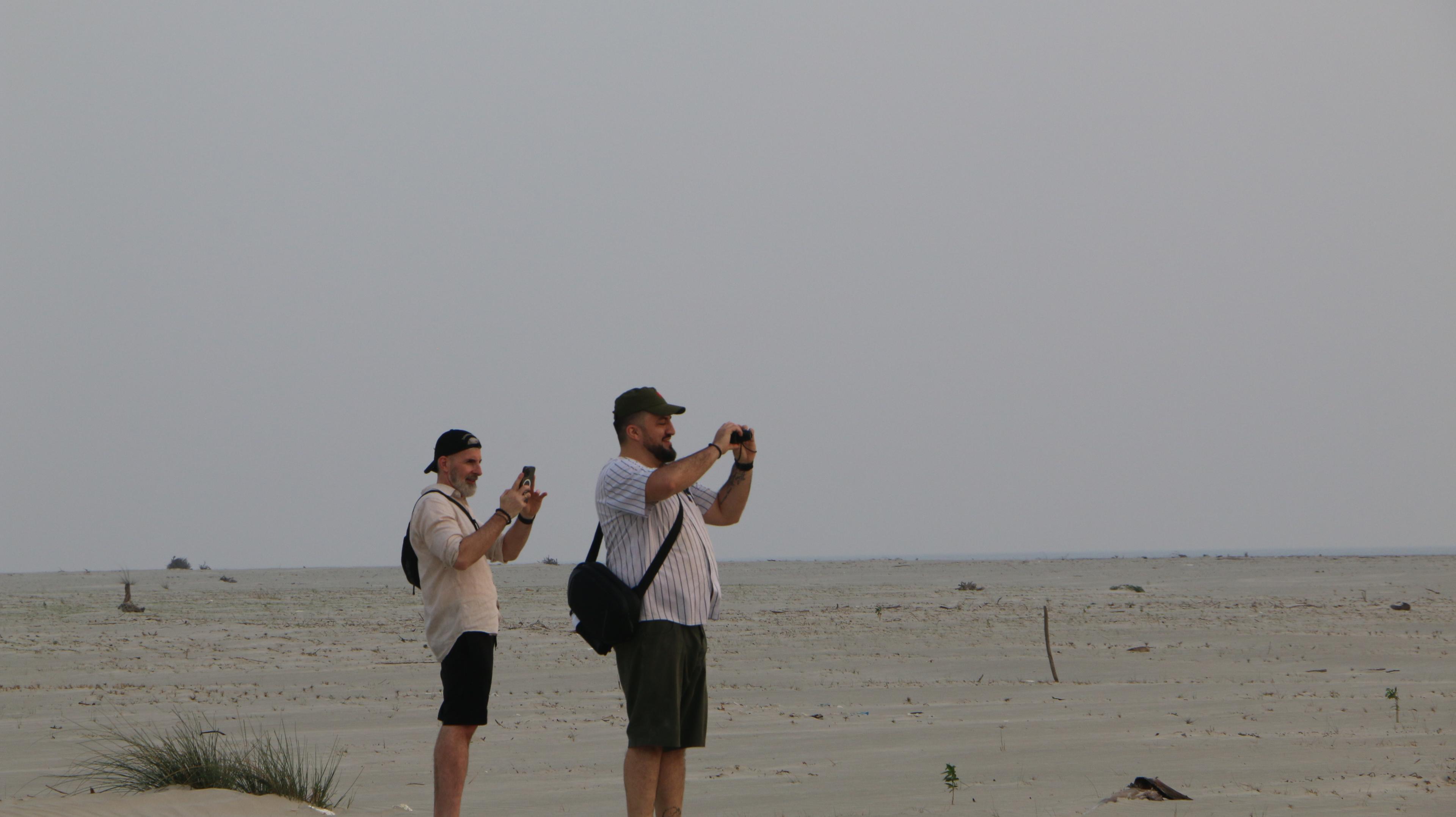
Bondha Char represents one of the most remote and dynamic geographical outposts within the southern estuarine expanse of the Sundarbans. Positioned along shifting tidal currents, this exposed char (sandbar/island) is a product of continuous sediment deposition and hydrological movement characteristic of the lower delta. Far removed from permanent human habitation, Bondha Char offers expedition travelers a raw, unvarnished look at a landscape in constant flux—where wind, water, and tide continually carve new shorelines, sandspits, and mudflats across the outer frontier.
Ecology, Vegetation & Littoral Dynamics
The ecological identity of Bondha Char is shaped by its exposure to high salinity and powerful tidal forces. Unlike the dense, mature canopy cores found further inland, the vegetation here is pioneering and resilient, featuring sparse salt-tolerant grasses, creeping coastal vines, and early-stage mangrove-associate scrub struggling against shifting sands. The intertidal zone surrounding the char acts as a dynamic biological theater, where expansive mudflats emerge during low tide to reveal rich benthic communities that form the foundation of the local estuarine food web.
Wildlife Availability & Avifaunal Corridors
Despite its desolate and transient nature, Bondha Char serves as an essential staging ground and feeding corridor for coastal wildlife. The exposed silt beds and shallow surrounding waters attract high concentrations of migratory and resident shorebirds, including sandpipers, plovers, gulls, and terns probing the wet sediment. Additionally, the surrounding estuarine channels and deep-water fringes are part of the broader habitat mosaic utilized by saltwater crocodiles, estuarine dolphins, and transient apex predators moving across the southern sanctuary boundaries.
Safari Methodology & Tidal Navigation
Navigating to and exploring Bondha Char requires rigorous adherence to maritime timing and safety protocols due to its exposed estuarine position:
-
Tide-Calibrated Approach: Vessel and tender approaches must be strictly timed with local tidal windows to safely navigate shallow sandbars and shifting channel markers.
-
Low-Tide Shore Exploration: Walking tours and benthic wildlife observations are restricted to low-tide periods when the mudflats and outer sand tracks are safely exposed.
-
Open-Water Expedition Discipline: Given its distance from shelter and lack of infrastructure, all field visits require experienced local navigation, constant weather monitoring, and strict leave-no-trace protocols.
Expedition Field Operations & Activity List
-
Estuarine Sandbar Reconnaissance: Guided exploration of the shifting char landscape to study outer delta geomorphology and active coastal erosion.
-
Intertidal Shorebird Watch: Dedicated observation sessions along exposed mudflats targeting migrating waders and coastal raptors.
-
Benthic Micro-Fauna Study: Examining intertidal crab burrows and littoral organism activity across newly formed silt beds.
-
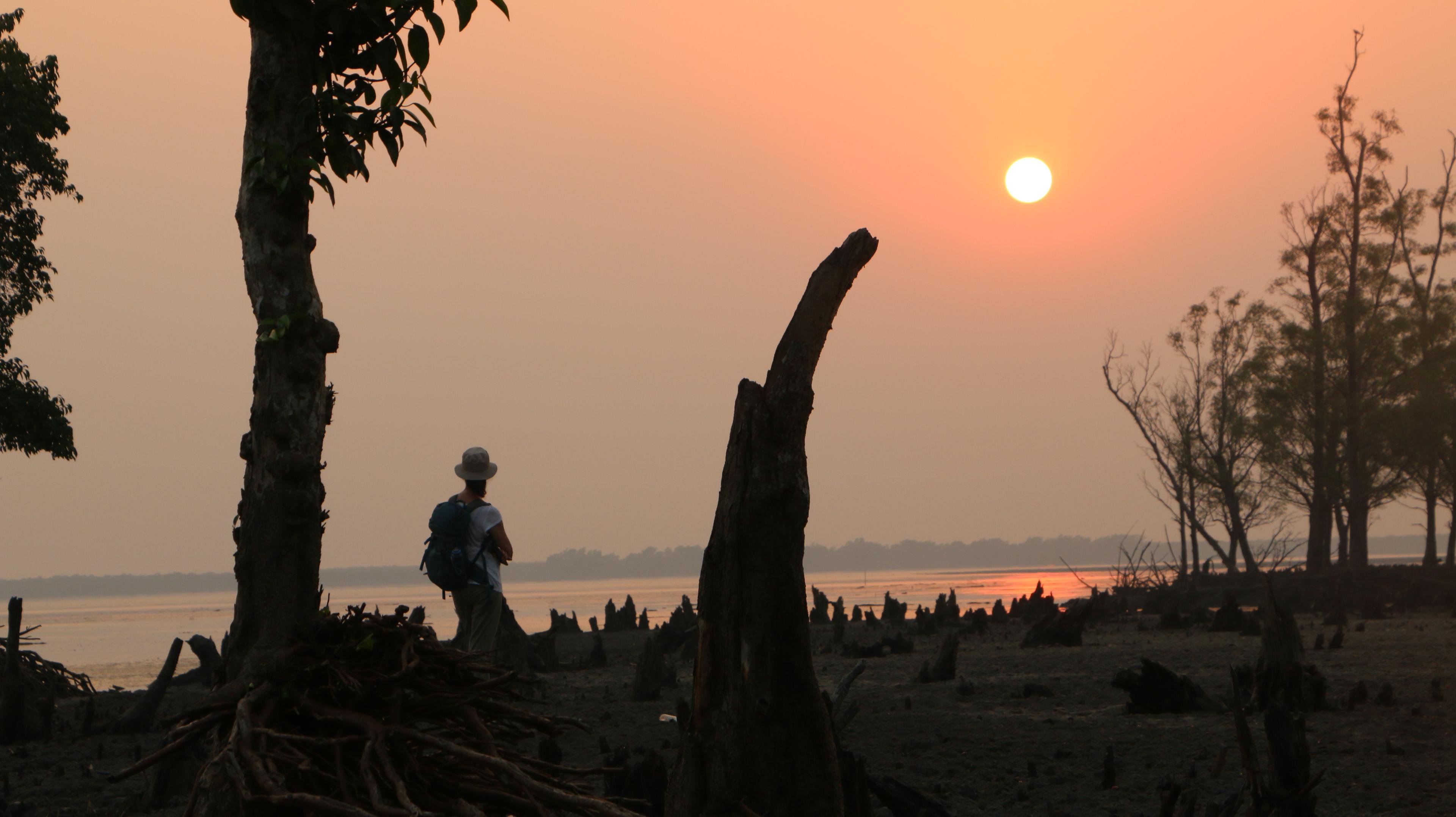
Horizon Wilderness Observation: Experience absolute isolation and panoramic open-water vistas looking out toward the lower Bay of Bengal.