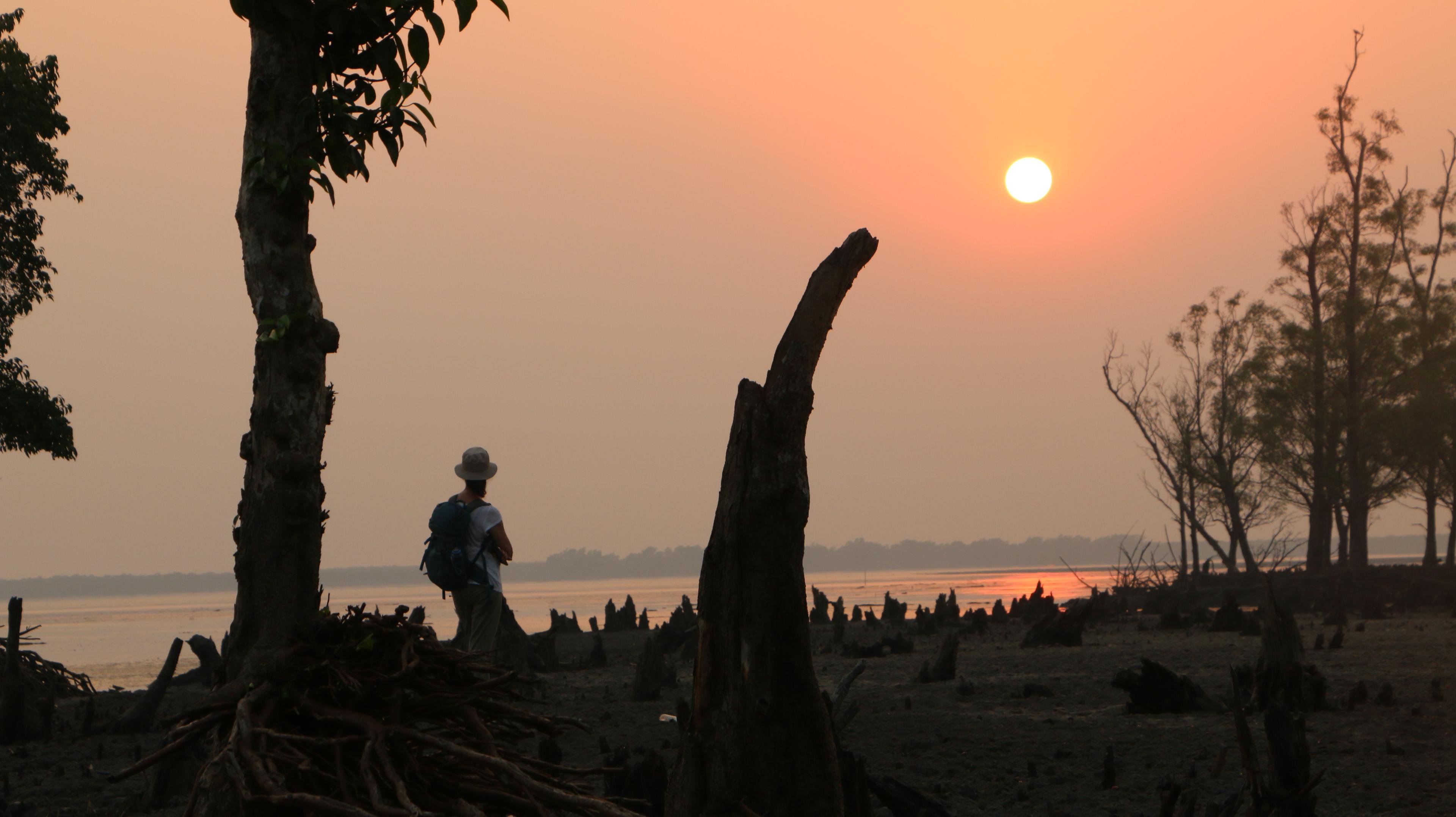
Kotka Wildlife Sanctuary
কটকা বন্যপ্রাণী অভয়ারণ্যKatka Wildlife Sanctuary is the crown jewel of the eastern Sundarbans, where expansive grazing meadows, dense Sundari canopies, and tidal creeks converge to offer an unmatched setting for watchtower birding, meadow tracking, and coastal wilderness exploration.
Experiences at this Stop
About Kotka Wildlife Sanctuary
Overview & Landscape Topography
Katka (also spelled Kotka) is widely recognized as one of the flagship destinations of the Sundarbans Wildlife Sanctuary. Situated in the southeastern sanctuary zone where interior mangrove forests merge into open grass meadows and coastal sea beaches, Katka offers an extraordinary diversity of landscapes within a single operational area.
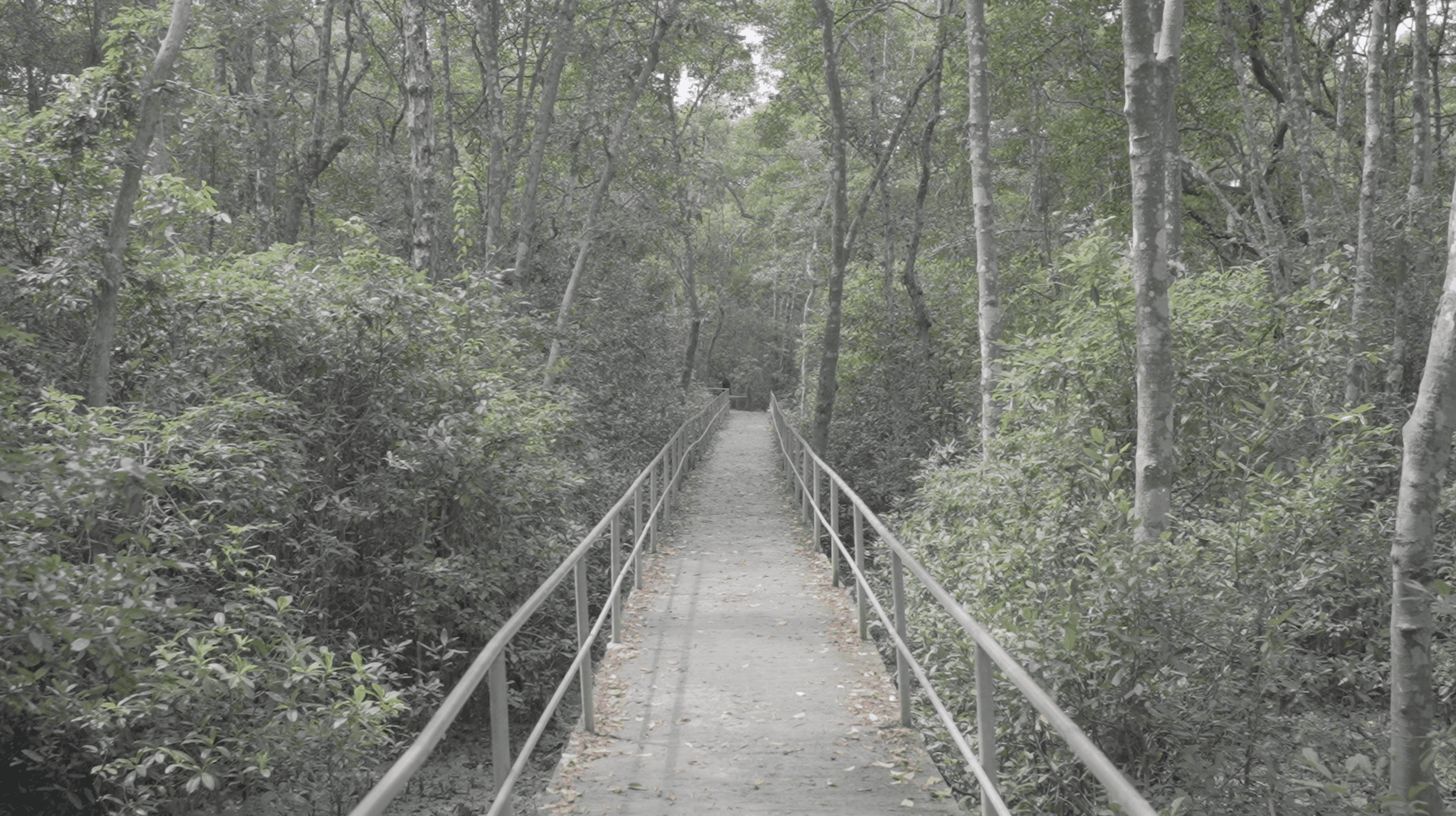
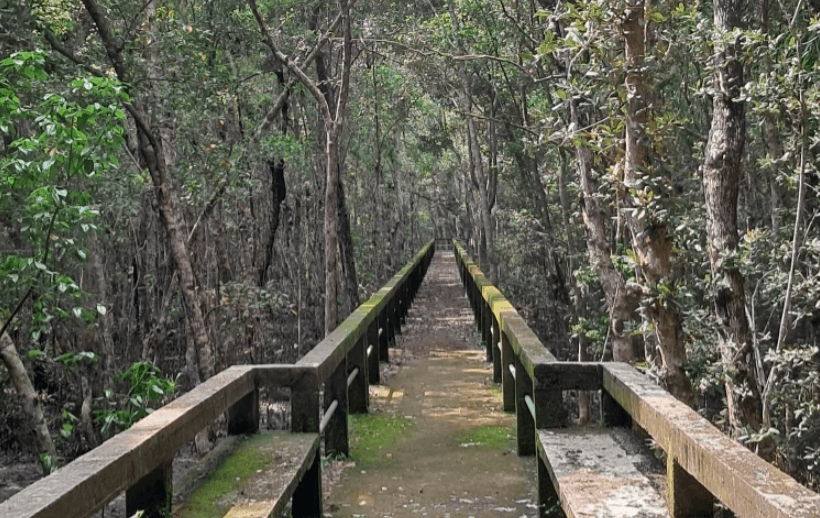
The station features an elevated watchtower positioned over a wide freshwater pond and grass glade, a well-maintained timber canopy boardwalk leading through dense mangrove stands, and access to both narrow tidal creeks (Katka Khal) and the vast Jamtola-Katka coastal beach corridor.
                        [ KATKA SANCTUARY LAYOUT ]

        Outer Estuarine Anchor / Main Channel
  ================================================
                         ||
             [ Forest Dept. Jetty ]
                         ||
  +----------------------+----------------------+
  |                                             |
[ Katka Khal ]                         [ Forest Station & Watchtower ]
  (Silent Dinggi Safari)                         | (Freshwater Hole View)
  |                                             |
[ Canopy Boardwalk ]                   [ Open Grass Meadows ]
  (Timber Walkway)                              | (Spotted Deer & Boar)
  |                                             |
  +----------------------+----------------------+
                         |
           [ Katka-Jamtola Trail ] ----> (To Jamtola Beach)
Ecology & Botanical Zonation
The plant communities around Katka highlight the classic ecological zonation of the eastern, lower-salinity Sundarbans:
-
Sundari & Keora Canopy: Dense stands of mature Sundari (Heritiera fomes) form the interior forest canopy, while broad Keora (Sonneratia apetala) trees line the forest-meadow fringes.
-
Pneumatophore Beds & Mangrove Root Systems: Intertidal banks feature dense carpets of vertical breathing roots (pneumatophores) and stilt roots that trap silt and stabilize the riverbanks.
-
Open Grasslands & Mudflats: Natural glades dominated by salt-tolerant grasses provide prime foraging grounds for native herbivores, while mudflats host mudskippers, red crabs, and fiddler crabs.
Wildlife Dynamics & Tracking Records
Katka is famous for supporting some of the highest concentrations of visible wildlife in the entire delta, making it a cornerstone for field tracking and observation.
+------------------------+------------------------------------+---------------------------------------------------+
| Faunal Category        | Key Species Documented             | Field Notes & Sighting Probability                |
+------------------------+------------------------------------+---------------------------------------------------+
| Apex Predator          | Royal Bengal Tiger                 | Prime habitat; fresh pugmarks along creek mudflats|
|                        | (*Panthera tigris tigris*)         | and meadow paths are a routine find.              |
+------------------------+------------------------------------+---------------------------------------------------+
| Large Herbivores       | Spotted Deer (*Axis axis*),        | High density; large herds graze openly in the     |
|                        | Wild Boar (*Sus scrofa*)           | meadows at first light and late afternoon.        |
+------------------------+------------------------------------+---------------------------------------------------+
| Canopy Primates        | Rhesus Macaque                     | Abundant; frequently forage on Keora fruit and    |
|                        | (*Macaca mulatta*)                 | sound alarm calls when predators are near.        |
+------------------------+------------------------------------+---------------------------------------------------+
| Estuarine Reptiles     | Saltwater Crocodile,               | Regularly seen basking on sunny mudbanks along    |
|                        | Water Monitor Lizard               | Katka Khal during low-tide windows.               |
+------------------------+------------------------------------+---------------------------------------------------+
| Avifauna & Raptors     | White-bellied Sea Eagle, Osprey,   | Exceptional birding along creek lines and open    |
|                        | Specialized Kingfishers, Herons    | beaches for coastal raptors and waders.           |
+------------------------+------------------------------------+---------------------------------------------------+
Field Tracking & Predator-Prey Dynamics
-
Meadow Grazing Aggregations: At dawn and dusk, hundreds of spotted deer gather in Katka’s open glades alongside wild boar herds to feed on fallen Keora leaves and grass shoots.
-
Tiger Movement Corridor: The dense forest perimeter framing the open meadows makes Katka a high-activity movement zone for Royal Bengal Tigers. Field teams routinely encounter sharp pugmarks, territorial marks on tree trunks, and sharp macaque or deer alarm calls echoing across the clearing.
Safari Methodology & Operational Protocols
Katka’s diverse habitats warrant a multi-layered, low-impact field methodology:
-
First-Light Watchtower Observation: Early morning quiet watch from the Katka watchtower overlooking the forest clearing and freshwater watering hole before terrestrial activity peaks.
-
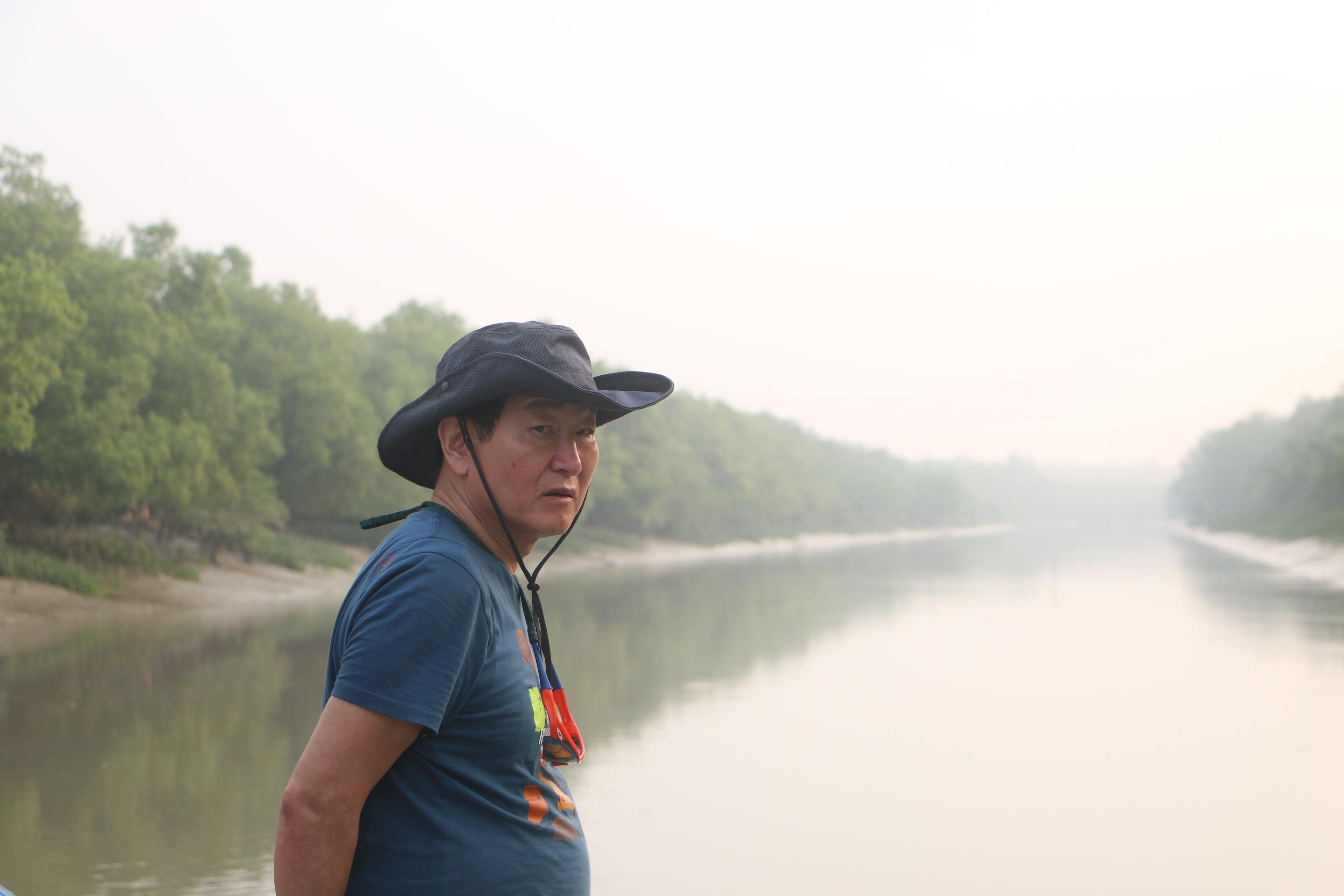
Silent Dinggi Safari (Katka Khal): Engine-off tender boat drifts along narrow forest creeks to observe basking crocodiles, monitor lizards, and specialized kingfishers along the mudbanks.
-
Canopy Boardwalk Exploration: Guided foot transect along the elevated timber boardwalk winding through dense Sundari forest and pneumatophore beds.
-
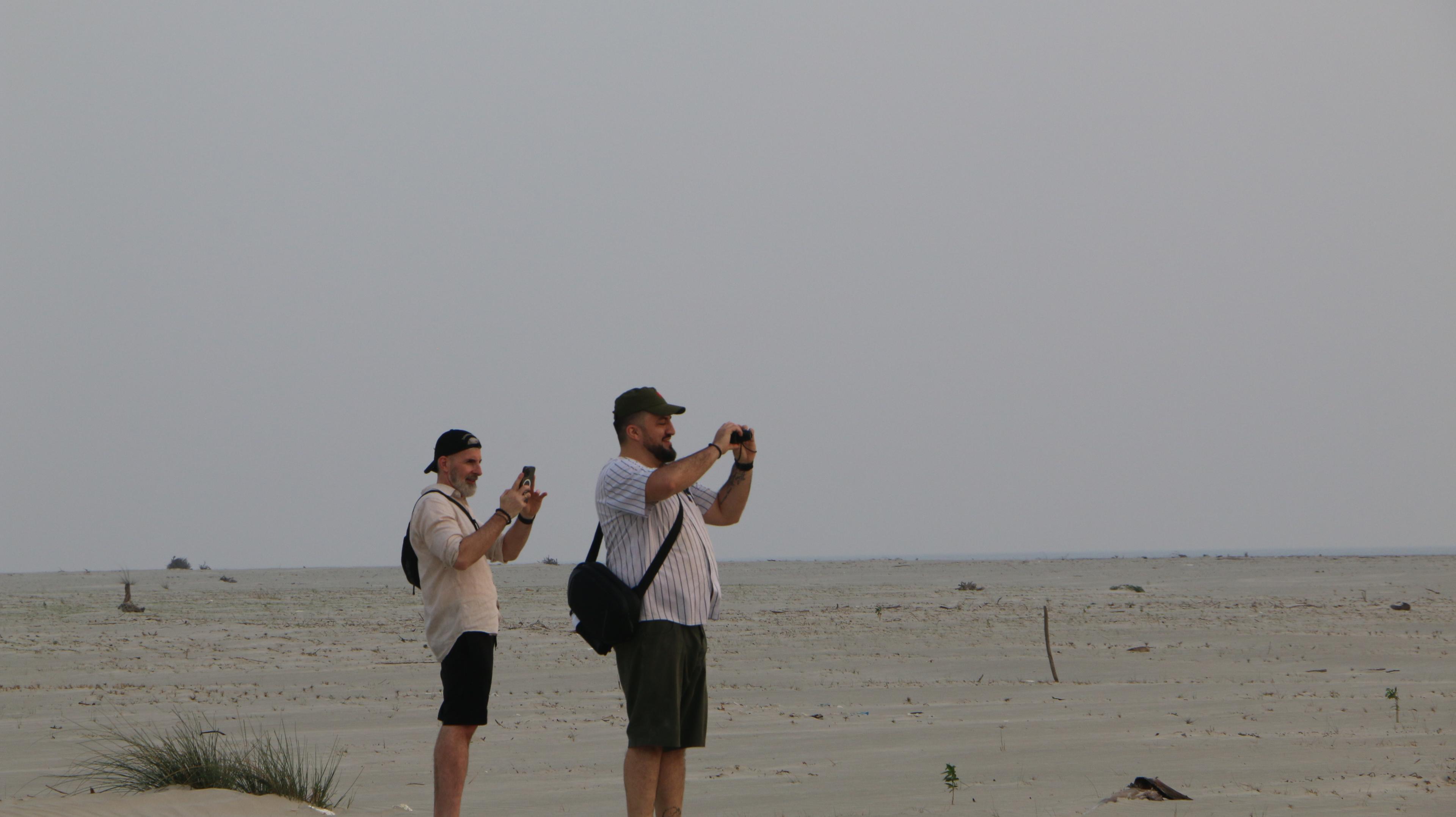
Meadow & Coastal Beach Tracking: Escorted terrestrial walks along meadow boundaries and the Katka-Jamtola beach stretch with armed forest guards to examine fresh animal tracks and forest signs.
Expedition Field Operations & Activity List
-
Dawn Watchtower Observation Session (Katka): First-light wildlife scanning over the freshwater pond and grazing meadows.
-
Silent Dinggi Safari along Katka Khal: Engine-off tender boat excursion targeting narrow interior creeks for crocodile tracking and avifauna photography.
-
Katka Canopy Boardwalk Transect: Guided timber walkway walk through mature Sundari and Keora forest canopy.
-
Grassland & Forest Perimeter Tracking Walk: Escorted ground tracking along forest-meadow edges focusing on tiger pugmarks and deer herd movements.
-
Katka-to-Jamtola Coastal Beach Walk: Guided coastal walk exploring tidal dune dynamics, driftwood beaches, and seaward mangrove fringes.