Balir Gang
বালির গাংA twisting, sediment-rich tidal channel in the lower Sundarbans delta where shifting sand channels and deep-water currents carve through the shifting heart of the mangrove wilderness.
Experiences at this Stop
About Balir Gang
Overview & Hydrographic Setting
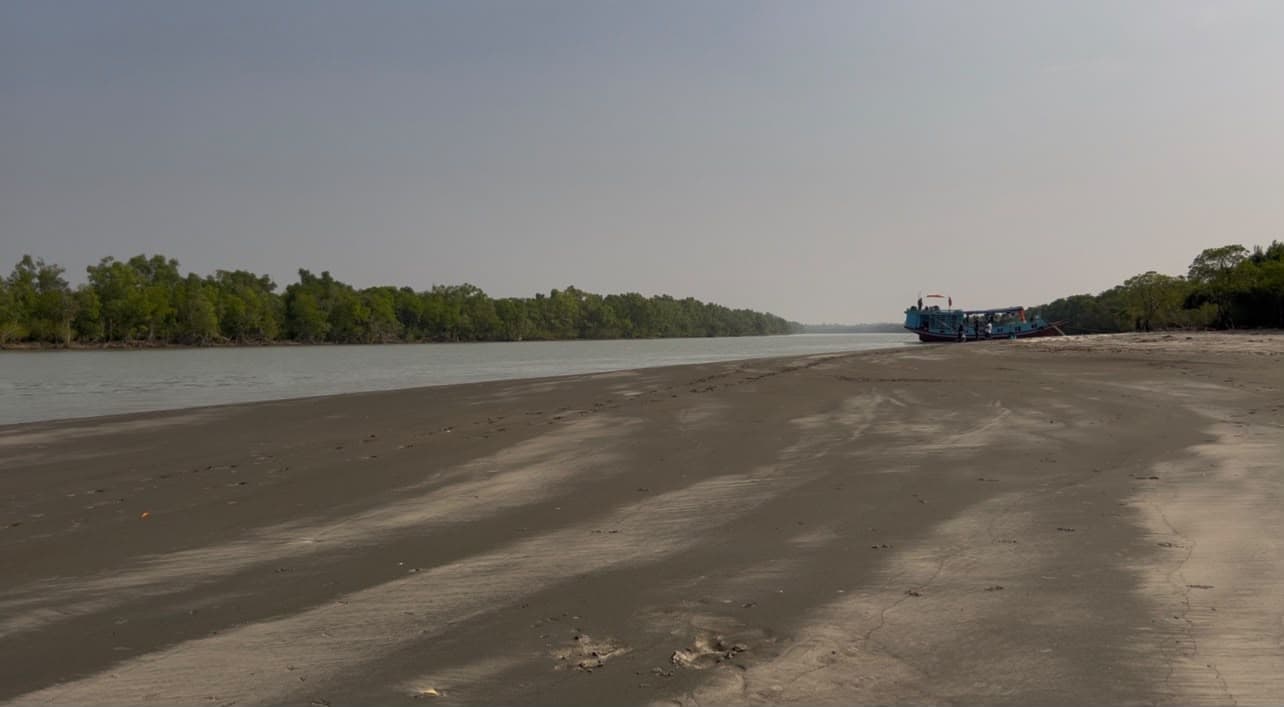
Balir Gang is a dynamic, winding tidal canal embedded within the intricate estuarine network of the southern Sundarbans. Known geographically for its shifting sandy beds and powerful tidal exchanges, the gang acts as a vital aquatic corridor connecting major river systems. Unlike wide, static river bodies, Balir Gang represents the active plumbing of the delta, where constant silt deposition, water friction, and tidal pressures continually reshape the underwater topography and banks, offering a raw snapshot of an ecosystem in perpetual motion.
Ecology, Vegetation & Littoral Dynamics
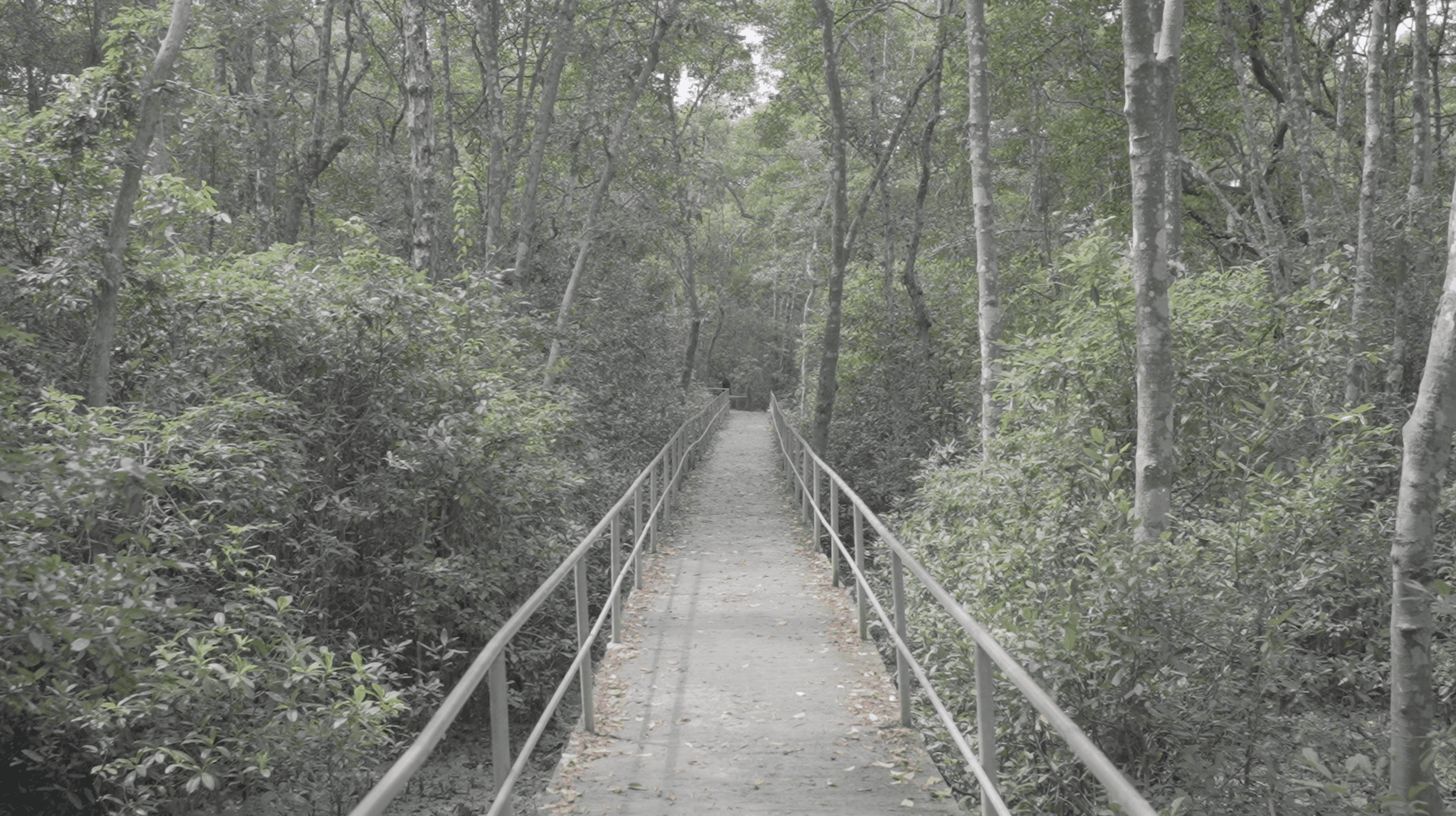
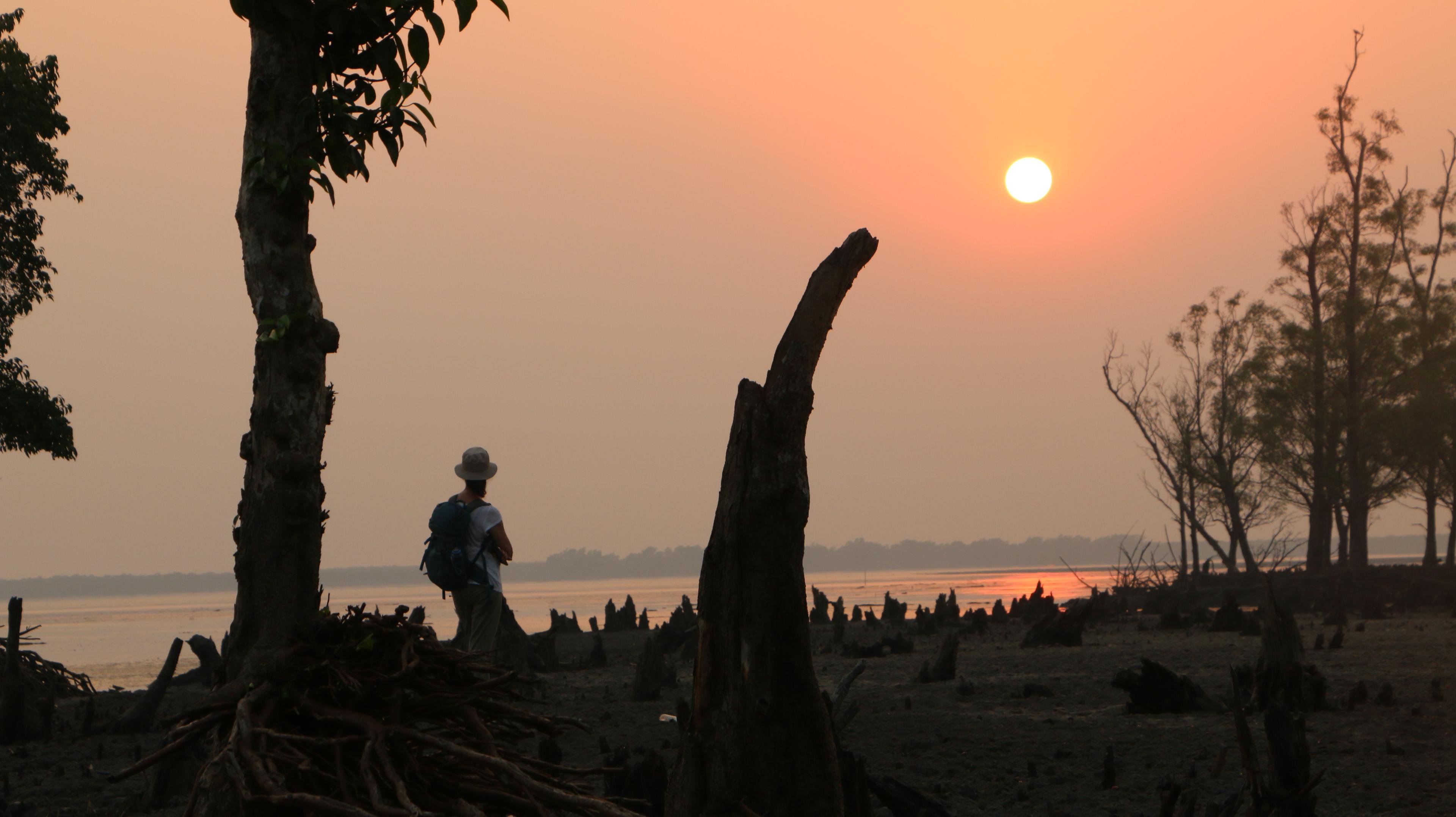
The ecological character of Balir Gang is defined by its shifting sediment loads and saline water margins. Along its winding banks, robust stands of salt-tolerant mangroves—including Gewa, Bain, and scattered Sundri—cling to unstable mud-and-sand embankments. Because the channel experiences intense scouring and sediment movement from tidal action, the surrounding vegetation exhibits high resilience, adapting to fluctuating water levels and bank erosion that constantly redefine the land-water boundary.
Wildlife Availability & Aquatic Corridors
The deep waters and undisturbed banks of Balir Gang provide a secluded highway for specialized deltaic wildlife. The channel and its adjacent mudflats serve as occasional hunting and transit zones for apex predators, while the turbid waters are frequently patrolled by saltwater crocodiles basking on exposed silt patches. Overhead, the open sky above the canal attracts coastal raptors, including white-bellied sea eagles and ospreys, while the deeper estuarine stretches are part of the broader habitat mosaic utilized by river dolphins and marine fish species moving with the tides.
Safari Methodology & Tidal Navigation
Navigating Balir Gang requires precise nautical timing and adherence to strict expedition safety standards due to its dynamic channel morphology:
-
Tide-Calibrated Passage: Vessel transit through Balir Gang must be carefully synchronized with tidal flows to avoid shifting sandbars and ensure safe water depth.
-
Low-Disturbance Drifting: Exploring the narrow sections of the gang relies on quiet, low-speed cruising to minimize bank disturbance and maximize wildlife observation opportunities along the water's edge.
-
Strict Marine Discipline: Given its remote placement within the tidal network, operations maintain strict waste-free protocols and continuous monitoring of changing estuarine conditions.
Expedition Field Operations & Activity List
-
Tidal Canal Drift Cruise: A silent, low-impact boat navigation through the winding stretches of Balir Gang to study estuarine hydrography and bank geomorphology.
-
Avifaunal & Raptor Tracking: Focused observation sessions along the tree-lined banks targeting sea eagles, kingfishers, and coastal waders.
-
Benthic & Mudbank Observation: Examining active intertidal crab activity and silt-bank formation along the water margins.
-
Deltaic Cartography Briefing: On-site naturalist discussions exploring how network channels like Balir Gang shape the shifting geography of the Sundarbans.